
Is PVC leather fake?
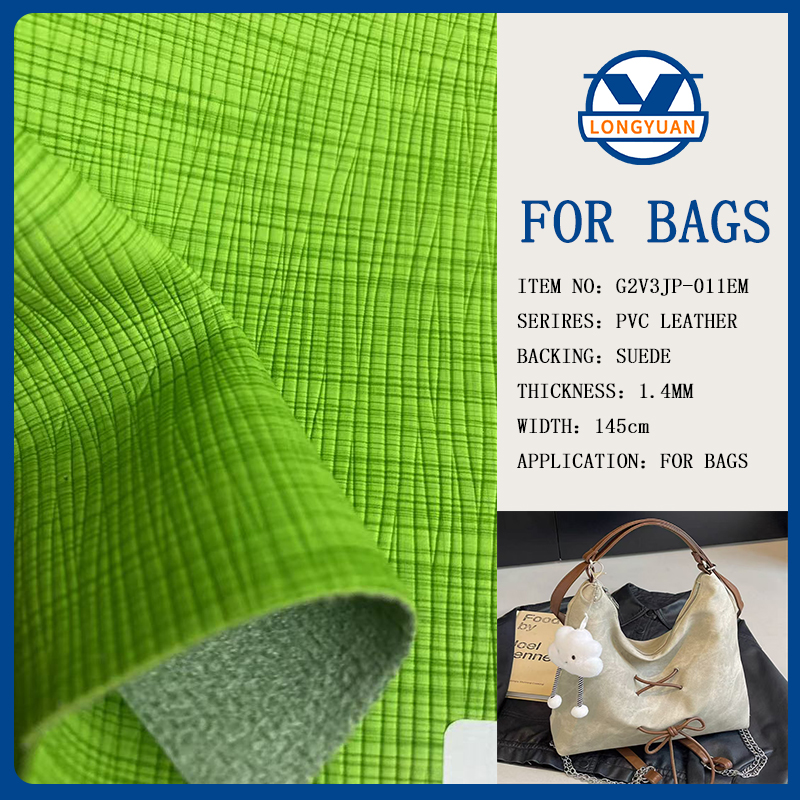
If you want to ask if PVC leather is animal leather, the answer is no. It is a synthetic leather substitute, but it is not simply a low-quality counterfeit product. It is a synthetic material with clear material properties and functional positioning. It needs to be understood based on the nature of the material and the objective of the usage scenario, rather than simply using genuine and fake labels to generalize.
First, let’s talk about what genuine leather is. Genuine leather comes from the raw skin of animals such as cows, sheep, and pigs. After tanning and processing, it retains the fiber structure, breathability, flexibility, and other characteristics of natural leather; The full name of PVC leather is “polyvinyl chloride synthetic leather”, and its substrate is polyvinyl chloride (PVC) resin, which is made by adding plasticizers, stabilizers, coloring agents and other chemical additives through rolling, coating or foaming processes. Essentially, it is a plastic synthetic material and has no connection with animal skin. It is completely different from genuine leather in terms of “source properties”, thus conforming to the popular understanding of “non genuine leather is fake leather”.
The term “fake leather” often carries a one-sided impression of “inferior and imitation”, while the value of PVC leather is more reflected in “functional substitution” rather than “imitation genuine leather”: it has the advantages of waterproofing, wear resistance, acid and alkali resistance, low cost, and can achieve different textures through process adjustment (such as imitation lychee pattern, smooth surface, frosted surface). It can be used in scenarios with high durability requirements (such as luggage outer layer, furniture fabric, industrial protective gloves), and can also meet the needs of lightweight and easy to clean through design (such as children’s products, bathroom accessories). Its performance characteristics complement genuine leather (breathable but afraid of water, easy to wear and tear, high cost), rather than simply “pretending to be genuine leather”.
In addition, the more standardized classification of PVC leather in the industry is synthetic leather, rather than fake leather. Fake leather is more of a colloquial distinction made by consumers based on whether it is natural genuine leather, while “synthetic leather” is defined from the perspective of material technology, emphasizing its artificially synthesized properties and independent application value.
So if we use “whether it is animal genuine leather” as the criterion for judgment, PVC leather belongs to the category of “non genuine leather”, which is in line with the daily context of “fake leather”; But from the perspective of material function, it is a synthetic material with specific advantages, and its core value is to serve as a functional substitute for genuine leather, rather than a low-quality counterfeit. Its function should be viewed in conjunction with specific usage needs, rather than simply defining its value as “true or false”.